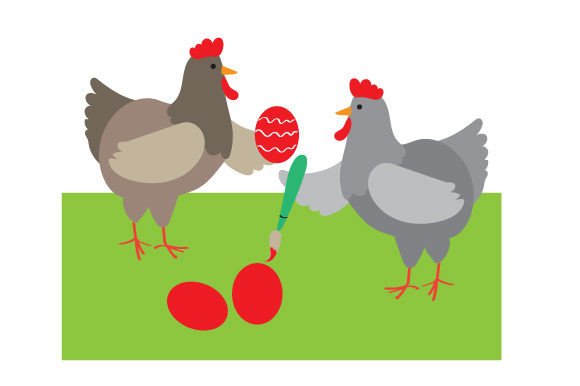
Chickens Coloring Easter Eggs for Easter Crafts
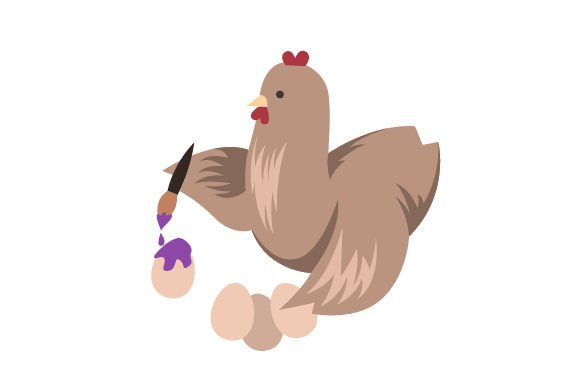
When I first opened the Chickens Coloring Easter Eggs folder, I immediately saw a design that could anchor a whole seasonal collection. The art style leans into a hand-drawn, slightly rustic coloring-book vibe that feels both playful and a little nostalgic. It doesn’t try to be overly polished or ultra-modern, which is precisely what makes it useful for a specific kind of buyer: someone hunting for wholesome, kid-friendly Easter crafts, printable activity sheets, or gentle farm-themed decor. The chickens are busy decorating eggs, and the scene has a warm, storybook quality that would appeal to parents, teachers, and anyone running a small handmade business around spring holidays.
For a digital product creator, the real test is never just how a design looks in isolation. It’s how it behaves across the products you actually plan to sell. I approached this asset with a practical scenario in mind: I’m restocking my online shop for Easter, and I need a graphic that can move between digital downloads, print-on-demand merchandise, and Cricut-friendly crafts without falling apart. Right away, I could tell the linework was bold enough to hold up in a coloring page, yet detailed enough to feel like a premium illustration, not a generic clipart piece.
First Impressions and Visual Personality
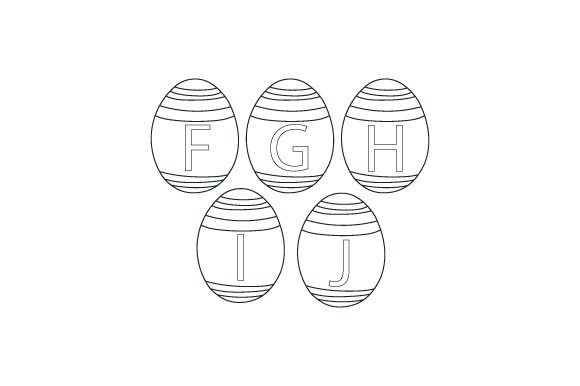
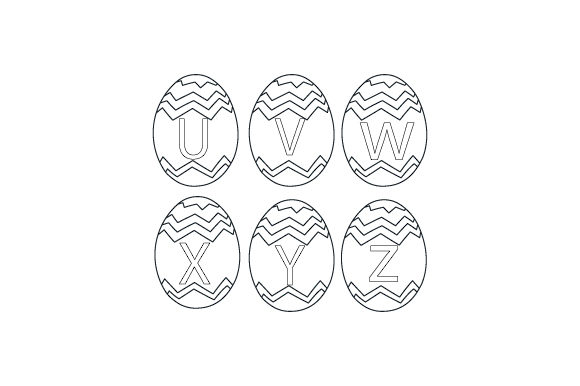
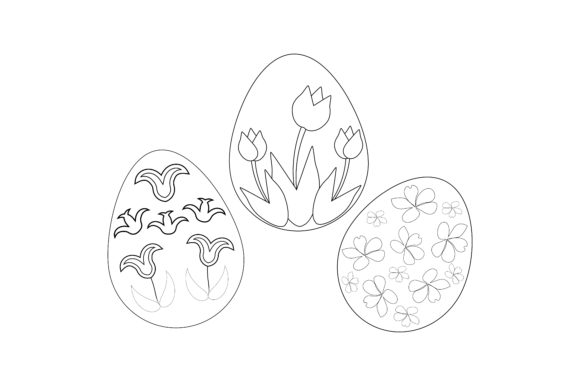
The mood of Chickens Coloring Easter Eggs is undeniably cheerful and approachable. The chickens have expressive, slightly cartoonish faces, and the eggs they’re decorating carry simple patterns that invite customization. This isn’t an elegant, minimalist Easter design—it’s a cute, busy, and decorative one. It would sit comfortably in a shop alongside whimsical bunny graphics, springtime wreaths, or farm animal baby shower themes. The buyer niche likely includes people planning Easter egg hunts, DIY classroom projects, scrapbook pages, or even small-scale merchandise like toddler tees and aprons.
From a branding perspective, the asset has strong potential for sellers who build their identity around a handmade, cozy, or family-oriented aesthetic. The illustration style is consistent, with clean outlines that look like they were drawn with a fine pen. There’s no shading, which is actually a plus if you’re layering it into sublimation designs or creating coloring pages—you get a crisp, flat vector that’s easy to manipulate.
Testing the Asset Across Product Types
Before listing anything, I always run a design through a mockup gauntlet. For Chickens Coloring Easter Eggs, I loaded the transparent PNG into a Canva template for printable Easter cards, then dropped the SVG into a Cricut Design Space test cut. Next, I placed it on a white ceramic mug mockup, a natural tote bag, a kids’ t-shirt template, and a digital paper pack preview. The goal was to see where it felt natural and where it started to struggle.
On flat printables—coloring pages, activity sheets, and DIY placemats—the design excelled. The line weight is forgiving enough that it doesn’t disappear when scaled down to a 5x7 card, but it still shows personality when blown up to a 12x12 scrapbook page. For sublimation, the crisp lines transferred cleanly onto a polyester mug blank, though I’d suggest adding a pastel background or a soft watercolor texture behind it to make the white chickens pop.
For Cricut projects, the SVG and DXF files were well-structured. I tested both a simple kiss-cut sticker sheet and a more complex layered vinyl decal for a wooden sign. The cut lines were clean, but the design has a few intricate spots—around the egg patterns and the chickens’ feathers—that require a sharp blade and careful weeding. I wouldn’t recommend it for tiny, one-inch stickers without simplifying the path in your vector software first.
Where Chickens Coloring Easter Eggs Shines
This design is a workhorse for a certain kind of product lineup. I’d confidently use it for:
- Printable coloring pages sold as a digital download on Etsy or Creative Fabrica.
- Easter activity bundles—pair it with word searches, mazes, and paper crafts.
- Sublimation designs for kids’ clothing, especially pastel-colored shirts and hoodies.
- Greeting cards and invitation templates—the linework takes well to adding a “Happy Easter” script font overlay.
- Scrapbooking kits and digital paper packs, where the design acts as a focal embellishment.
- Wooden sign stencils and farmhouse decor via Cricut or Silhouette.
- Tote bag and apron prints for a spring market booth.
- Planner stickers and journaling kits, especially if the design is cropped into smaller elements.
In every one of these applications, the design’s playful charm takes center stage. It also works wonderfully as a product mockup hero element—when you place it on a crisp white background with a few colored pencils or crayons in the preview, it instantly communicates “craft activity” and can boost click-through rates on seasonal listings.
Where to Use Caution
No design is universal, and Chickens Coloring Easter Eggs isn’t a one-size-fits-all solution. Here’s where I’d be careful:
- Very small stickers or labels—the fine feather details and egg patterns can turn into a muddy mess below 1.5 inches.
- Dark background products—the linework is black, so it will get lost on navy or charcoal unless you invert the colors or add a light offset path.
- Text-heavy templates—the design is busy, and pairing it with more than a few words of body text can feel chaotic.
- Ultra-clean, modern brand identities—if your shop sells minimalist, typographic goods, this illustration might feel too playful.
- Low-resolution print goods—always export at 300 DPI from the PNG. The EPS and SVG are scalable, but rasterized files need size checking.
- Intricate vinyl cuts without test runs—the egg decorations have tiny loops that can lift if the cut pressure isn’t dialed in.
I also noticed that the design’s transparent PNG included a generous amount of white space around the characters, which is great for placement but requires a quick trim if you want tight registration on a mug or tumbler wrap.
Practical Seller Notes for Commercial Use
Before you upload a single listing, do a few real-world checks. First, preview how Chickens Coloring Easter Eggs looks as a marketplace thumbnail at 200x200 pixels. The chickens’ faces should still be recognizable; if they blur, crop in closer. Test the design on both a white mockup and a soft pastel background—this is crucial because customers will imagine it on different surfaces. I always print a test page on my home laser printer to see if the lines hold up, and with this asset, they did.
Next, confirm your commercial license. The folder I received included SVG, transparent PNG, EPS, and DXF files, all standard for digital creators. But always review the license terms—some marketplaces require additional attribution or restrict print-on-demand usage. When I package a design like this, I organize the files into clearly named folders, add a quick reference PDF, and consider offering a bundle with a few coordinating fonts: a playful script font for greeting cards, a clean sans serif font for instructions, and a chunky display font for t-shirt slogans. Pairing the design with a handwritten font can also pull out the rustic, handmade feel.
File Formats and Quality Check
The asset arrived as a clean set: an SVG for cutting machines, a transparent PNG for immediate digital use, an EPS for professional scaling, and a DXF for compatibility with older software. I opened the SVG in Adobe Illustrator and Cricut Design Space; the layers were well-organized, with no stray points or open paths. The PNG had a true transparent background, which is essential for layering onto patterned digital papers or colored backgrounds. The EPS file allowed me to quickly adjust the stroke weight for a slightly bolder coloring page outline, which is a nice flexibility if you’re selling to a crowd that prefers thicker lines for kids.
One note: the DXF file worked perfectly in Silhouette Studio, but if you’re selling to a mixed audience, include a quick note about scaling—some users forget to check dimensions before cutting.
Creating a Cohesive Easter Collection
Using Chickens Coloring Easter Eggs as a centerpiece, I can easily map out a six-product Easter collection for my shop. Start with a digital coloring page, add a matching greeting card template, a set of printable cupcake toppers, a sublimation-ready t-shirt design, a cut file for a decorative Easter sign, and a set of planner stickers. Promote them together in a seasonal bundle, using the same mockup style and color palette to boost perceived value.
When I arrange the listing images, I’ll let the design take up the left two-thirds of the hero shot and place a soft spring typography on the right. This visual hierarchy gives the customer an immediate “crafting” signal, which is often all you need to turn a browser into a buyer during the Easter rush.
For content creators and bloggers, Chickens Coloring Easter Eggs can also serve as a freebie lead magnet or a blog post graphic. A simple “Free Easter coloring page” post with this design can drive traffic to a paid bundle, and the PNG works perfectly in social media graphics for Pinterest or Instagram.
In the end, this is a solid, dependable graphic design asset that knows exactly what it is: a charming, craft-ready illustration for Easter projects. It won’t suit every seller’s aesthetic, but for those building a family-friendly, handmade, or seasonal digital product line, it’s a smart addition. Test it thoroughly, pair it with the right fonts, and you’ll have a product that feels both personal and commercially viable.