Evaluating the Mandala Animal Design for Real Embroidery Work
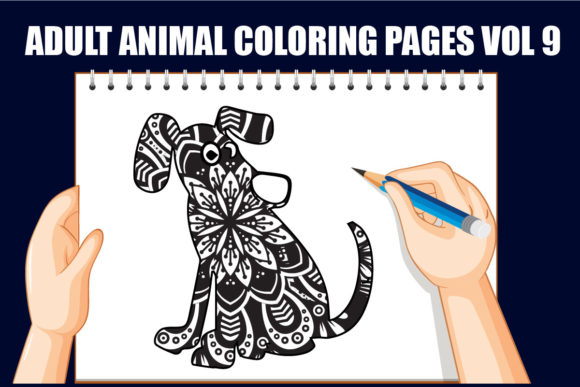
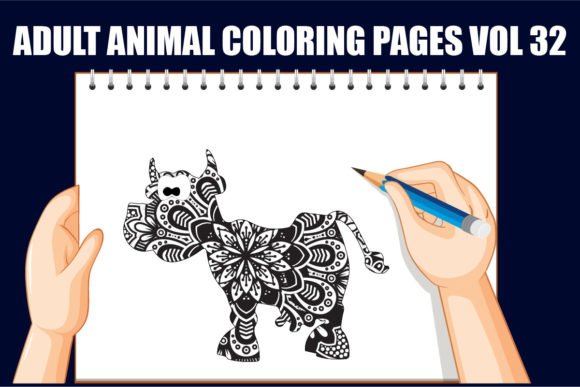
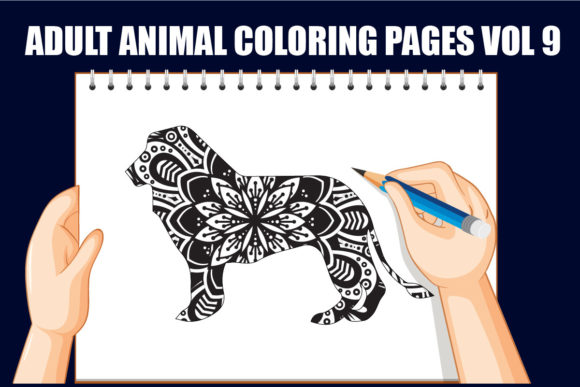
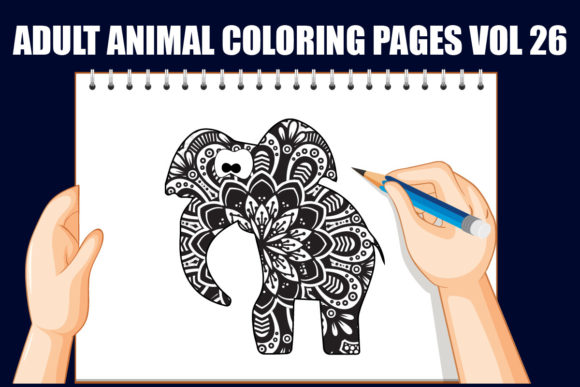
As an embroidery designer who uses digital graphics as a starting point for stitch-ready files, my first question when reviewing a new design is always: will this translate beautifully to thread? With the Mandala Animal - Coloring Book KDP Vol26, the initial impression is promising. It presents a hybrid theme: the structured, symmetrical beauty of a mandala blended with the organic form of an animal. This creates a visual personality that’s both mindful and playful. It doesn’t feel overly juvenile, nor is it too austere—it hits that sweet spot of being universally appealing, which is gold for craft businesses.
The Mood and Application: Where This Design Naturally Belongs
Let me paint a real-life scenario. A client asks for a custom embroidered tote bag as a birthday gift for a friend who loves both cats and meditative art. This Mandala Animal design immediately comes to mind. The intricate, circular layout suggests balance and calm, while the animal core adds a personal, affectionate touch. It’s not just a decoration; it feels like a statement piece. This is the kind of embroidery design that elevates a simple canvas tote or a cozy sweatshirt into a meaningful, handmade product. I envision it on nursery decor for a nature-loving family, as a centerpiece on a pillow cover for a boutique home goods line, or as a detailed patch on a denim jacket for a small shop’s merchandise.
The design’s detail level is significant. The layered patterns within the mandala structure imply richness. In a successful embroidery project, this translates to a product that looks valuable and carefully crafted, boosting customer trust and perceived quality. For an Etsy seller or creative entrepreneur, that visual appeal directly impacts buyer engagement and the giftability of the final item.
Performance in Real-Life Embroidery Situations: A Practical Perspective
How would this design perform once it’s punched and ready for the hoop? For custom apparel like t-shirts and sweatshirts, the balanced, circular composition is a strength. It provides a natural focal point. On a tote bag or apron, the design offers a professional, finished look that aligns with brand consistency for a maker. For baby clothes or blankets, scaled appropriately, it could become a cherished heirloom detail.
However, the intricate detail is also where practical judgment comes in. This is not a design I would automatically run on a small hoop size or on highly textured fabrics without careful testing. Those fine lines and patterned fills need space to breathe to maintain stitching clarity. On thin or stretchy fabrics, like certain tee knits, achieving clean definition on all the small elements would require impeccable stabilizer choice and tension settings. On curved surfaces like caps, the outer circular symmetry might be challenged unless the embroidery file is expertly adapted.
Considerations for Stitching and Product Longevity
Dense stitch areas, if the design is translated with heavy fills, could make a garment stiff or affect its drape. For items needing frequent washing, like kitchen towels or everyday sweatshirts, simplifying some of the most minute internal details in the digitizing process might ensure the embroidery lasts beautifully. On dark fabric backgrounds, thread color contrast is paramount—some of the delicate patterning could get lost if the color palette isn’t thoughtfully chosen against the base fabric.
This design, given its artistic complexity, would shine best as a feature piece rather than a small decorative accent. It commands attention and, when stitched well, justifies a higher price point for your small shop product.
Essential Designer Notes Before You Hoop This Design
My strongest advice is to always test the design on scrap fabric first. Use the same fabric and stabilizer combination you intend for the final project. This is non-negotiable. For Mandala Animal - Coloring Book KDP Vol26, pay particular attention to the smallest details in the animal’s form and the mandala’s inner rings. Check for any potential thread bridges or overly tiny elements that might not stitch cleanly.
Since the provided formats include PNG, EPS, and SVG, confirm your embroidery software can import or trace from these appropriately to create a clean machine embroidery design. Do not assume the file is ready-to-stitch; it’s a graphic starting point. Review the stitch density in your digitized version. Also, run it through black and white mockups to see how it holds up as pure shape and contrast. Compare how it looks on both light and dark fabric backgrounds in your software preview.
A crucial step for anyone using this for commercial embroidery or selling finished items: confirm the licensing terms. The product category suggests it’s from Coloring Pages Amp and Graphics, but you must verify it’s suitable for commercial use, whether as an embroidered patch you sell or as part of personalized gifts in your business. Never skip this.
Final Thoughts on Value and Project Fit
In my professional estimation, Mandala Animal - Coloring Book KDP Vol26 is a design asset with strong potential for makers. Its hybrid aesthetic makes it versatile across markets—from holiday embroidery gifts to everyday boutique branding. The key to success lies in the translation. A well-digitized version, stitched with care on a suitable product, will result in a finished product that feels special, handmade, and visually engaging. It can become a signature piece for a craft business, enhancing that handmade presentation and professionalism that customers love.
Approach it not as a simple graphic, but as a blueprint for a beautiful embroidered object. With practical testing and thoughtful application, it could very well become a standout in your collection of digital embroidery files and a reliable source of value for your embroidery project portfolio.