I Don't Take Orders: A Designer's Review for Embroidery
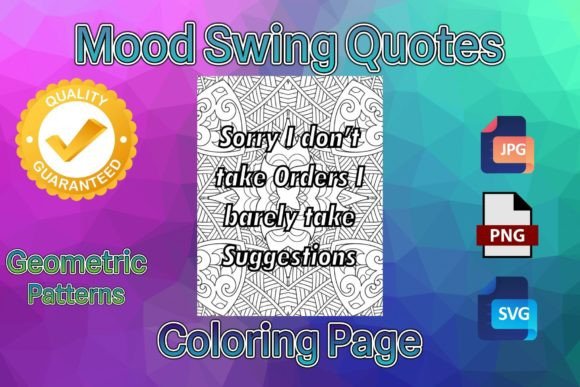
There's something immediately compelling about the title I Don't Take Orders. Before I even see the file, I know this design is speaking to a certain mood—a mood many of us feel daily. It's defiant, playful, and a little bit weary, all wrapped into one. When I open the high-resolution PNG, I see that sentiment married to a geometric pattern background. The layout is clear, the typography is bold, and the overall aesthetic leans toward modern, adult coloring page style. My first thought is that this isn't a delicate, floral piece. It's a statement.
The Personality Behind the Stitches
As an embroidery designer, I look at a file and immediately picture it on fabric. For I Don't Take Orders, the bold lettering and geometric patterns translate wonderfully to satin stitch and fill stitch concepts. The design has a strong visual personality that feels contemporary and a bit cheeky. It doesn't whisper; it declares. This tells me it would be perfect for projects meant as a personal declaration or a gift for someone who needs a laugh and a bit of stress relief. The mood it creates is one of relatable exasperation turned into art.
I'm picturing it on a custom tote bag for a busy professional, or centered on the back of a relaxed-fit sweatshirt. The clarity of the shapes and text means it will hold up well in embroidery, provided the stitch density is managed correctly. It naturally belongs to casual apparel, accessories, and home decor items that have a modern, slightly irreverent vibe.
Where This Design Thrives in Real Projects
Let's walk through a real scenario. I'm preparing a custom embroidered tote bag for a client's boutique. They want something that feels handmade but has a witty, adult appeal. I Don't Take Orders comes to mind immediately. On a sturdy canvas tote, the geometric patterns would provide interesting texture, and the bold text would be highly readable from a distance. This increases the product's visual appeal and makes it a standout item at a craft fair or in an Etsy listing.
Beyond tote bags, this design performs well on a range of products. For custom apparel, think relaxed sweatshirts, aprons (perfect for a home cook with attitude), or pillow covers for a contemporary living space. As an embroidered patch, it could be applied to caps, jackets, or backpacks, offering great versatility for small business merchandise. For personalized gifts, imagine it on a kitchen towel for a friend who loves a good quote, or on a baby item (perhaps a onesie) for a parent with a sense of humor—though careful placement is key here. The design's high-resolution nature also means it works beautifully for printable mockups and digital product previews, helping you market the finished product before it's even stitched.
Practical Considerations for Stitching Success
The confidence of the design doesn't mean we can skip the practical steps. Here's where a designer's experience matters. While the provided PNG file is high-resolution, the success of the embroidery file will depend on how it's digitized. The geometric patterns and text need to be translated into stitches with care.
First, always test the design on scrap fabric first. This is non-negotiable. Use a fabric similar to your final project—if you're targeting sweatshirts, test on a knit scrap. Check the thread color contrast against your background fabric. The bold statement of I Don't Take Orders could be lost on a very dark fabric if light thread isn't chosen, or vice versa. Review the stitch density in your digitized version; overly dense fill areas on the geometric patterns can make the fabric stiff and prone to puckering, especially on thinner materials like tea towels.
Spaces Where This Design Requires Care
Not every project is ideal. Small hoop sizes might struggle with the scale of the design; you want it to be large enough to maintain the impact of the text and patterns. Textured or stretchy fabrics demand proper stabilizer to keep those clean lines sharp. Detailed corners in the geometry and the tiny lettering in "Orders" need to be inspected in your test stitch—they can get lost or blurry if the stitch path isn't clean.
I would avoid using it on very curved surfaces like caps without careful digitization adjustment, as the flat, geometric layout might distort. For products that need frequent washing, like baby clothes or kitchen linens, ensure your stitch choices are secure and your threads are high-quality to maintain the handmade presentation and customer trust over time.
Turning a Design into a Valued Product
How does I Don't Take Orders affect the final product's value? For a crafter or small shop owner, it adds a layer of personality that generic designs lack. It feels specific and current, which boosts buyer engagement. A customer looking for a gift for a stressed-out friend will recognize the humor and relevance instantly, increasing the item's giftability.
For brand consistency, if your shop leans into modern, humorous, or self-care themes, this design aligns perfectly. It elevates a simple embroidered patch or tote into a conversation piece. From a professionalism standpoint, using a clean, well-digitized version of this design on high-quality fabric shows attention to detail. It tells your customer you've thought about both the message and the craftsmanship.
A final, crucial note: the product description states this is a PNG file in the Graphics category. As an embroidery designer, you'll need to digitize this into a proper machine embroidery file format for your specific machine. Before selling any finished items or using the design in commercial embroidery projects, you must confirm the licensing terms of the original digital product. Always ensure you have the right to use the graphic for creating and selling physical handmade products. This protects your business and respects the original designer.
In summary, I Don't Take Orders is a design with strong character and clear application. It’s a fantastic asset for creating custom apparel, personalized gifts, and small shop products that speak with a modern, witty voice. With practical testing and mindful digitization, it can become a standout piece in your embroidery project lineup, bringing a smile and a sense of solidarity to every stitch.