A Turtle Mandala Design for Embroidered Keepsakes and Products
The First Impression: Calm, Detailed, and Naturally Artistic
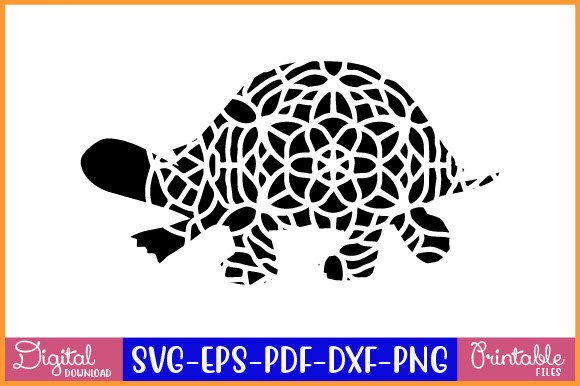
When I open the Turtle Animal Mandala, Coloring Books file, the first thing that strikes me is its serene, intricate personality. This isn’t a loud, graphic logo; it’s a contemplative piece of art. The mandala structure centered around the turtle creates a wonderful balance—it’s symmetrical yet organic. The level of detail in the patterns suggests it would translate beautifully into embroidery, offering opportunities for both bold satin stitches and delicate running stitch accents. It feels like a design destined for a special, handmade product, something meant to be a keepsake rather than just everyday wear.
The Perfect Projects: Where This Turtle Mandala Shines
In practical terms, this Turtle Animal Mandala design immediately suggests a few standout applications. For a personalized gift, like a commemorative pillow cover or a framed embroidered piece for a nursery, it would be exquisite. The theme is gentle and universally appealing. I envision it stitched onto a high-quality tote bag for a boutique—it elevates a simple product into a unique, artistic accessory. For a small shop selling kitchen linens, a single turtle mandala embroidered on a tea towel creates a premium, artisan feel. In my own work, I’d lean towards using this for items where the embroidery is the focal point, not just an add-on.
Real-Life Scenario: Crafting a Birthday Gift Tote
Imagine you’re preparing a custom embroidered tote bag as a birthday gift for a nature-loving friend. You load this Turtle Animal Mandala file. The circular composition fits perfectly within a standard hoop size for a bag’s front panel. You choose a palette of earthy thread colors—deep greens and browns for the turtle, maybe a soft blue for some mandala details. The resulting piece isn’t just a bag; it’s a personalized, tangible piece of art. The recipient’s reaction is likely one of delighted surprise at the craftsmanship. This is the kind of engagement that builds customer trust and turns a simple project into a memorable product.
Navigating the Practicalities: Fabric, Size, and Execution
For embroidery designers, the success of any embroidery file hinges on its real-world performance. This Turtle Animal Mandala, with its detailed patterns, demands some thoughtful planning.
Where it will excel: On stable, medium-weight fabrics like cotton canvas for totes, quilted cotton for pillow covers, or a good quality sweatshirt fleece. The design’s intricacy will show up clearly, and the stitch density should hold up well on these surfaces. It’s also ideal for creating an embroidered patch, which could then be applied to various items, adding versatility.
Where to proceed with caution: On very small hoop sizes, the finest mandala details might become too dense or muddled. On highly textured or stretchy fabric, like some knit baby clothes, the fine lines could distort without excellent stabilizer technique. Embroidering on dark fabric requires careful thread color selection to ensure the design’s complexity remains visible—a test on scrap fabric is essential here.
The design’s circular shape is generally forgiving on curved surfaces like caps, though the very detailed corners of the mandala might need slight digitizing adjustments for perfect placement on a curved crown.
Elevating Your Product’s Value and Appeal
Using a design like this Turtle Animal Mandala does more than just decorate a product; it changes its perceived value. For a creative entrepreneur, it adds a layer of artistic credibility. A sweatshirt with this embroidery moves from generic to “artist-made.” For an Etsy seller, it helps a listing stand out—the product previews and printable mockups look inherently more professional and giftable. It supports brand consistency for a shop focused on nature, mindfulness, or handmade artistry. When a customer sees this level of detailed, thoughtful embroidery on a baby blanket or a kitchen towel, it communicates care and quality, directly boosting buyer engagement.
A Note on Commercial Use and Preparation
Since the product description mentions these are graphics for various purposes, the key for makers is to confirm the specific licensing for your intended use. Always verify that your use—whether selling the finished embroidered tote bag or using the file as part of a digital product—is covered before proceeding.
Essential Designer Notes Before You Hoop
My final practical thoughts, as if we were chatting in my studio:
- Test First. Always stitch this Turtle Animal Mandala out on a scrap of your actual project fabric first. This reveals how the details translate, the true stitch density, and if your chosen thread colors have enough contrast.
- Consider the Background. Look at the design in a black and white mockup. This helps you see its form without color, crucial for understanding how it will read on both light and dark backgrounds.
- Stabilizer is Key. For a design with this much potential detail, using the proper stabilizer for your fabric type is non-negotiable to maintain stitching clarity.
- Hoop Size Matters. Choose a hoop that comfortably accommodates the entire circular design without forcing compression of the outer details. This preserves the mandala’s symmetry.
- Inspect the Digital File. Open the provided formats (like SVG or DXF) in your software and inspect the smallest lines. Ensure they are clear and separated enough for your machine embroidery process.
Final Judgment: A Design for Meaningful Making
The Turtle Animal Mandala, Coloring Books design file is, in my view, a strong candidate for projects where embroidery is the star. It’s not a quick, generic graphic; it’s a piece that asks for a thoughtful approach to fabric, color, and application. When executed well, it produces an embroidered product that feels special, artistic, and genuinely handmade. It’s perfect for the crafter looking to create a standout gift, the small business owner wanting to elevate a simple apparel item, or the hobbyist aiming for a satisfying, detailed embroidery project. Its real value lies in the finished product’s ability to tell a story—of nature, patience, and craftsmanship.