Family of Four Coloring Page: A Designer’s Embroidery Review
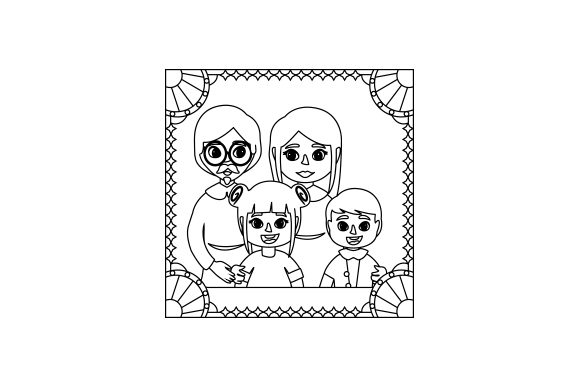
When I first opened the Family of Four Coloring Page file, I wasn’t staring at a simple outline. I saw a clean, emotionally resonant composition built around connection. Two parents, two children, standing close in a pose that feels protective without being stiff. The lines are smooth, the spacing is thoughtful, and the overall silhouette reads instantly as a family unit. That clarity is gold for anyone working with thread, because embroidery doesn’t forgive clutter. If a design doesn’t breathe, it becomes a muddy patch of stitches. This one breathes.
I’ve loaded countless family-themed designs into embroidery software over the years, and many of them get cramped or overly decorative. This one lands in a sweet spot: enough detail to feel personal, but not so much that you’ll be picking out jumps and trims for hours. The mood is playful but calm, a line-drawn style that translates beautifully into a machine embroidery design when you digitize it with intention. It feels like a page from a cherished storybook, which makes it perfect for gifts and keepsakes.
Reading the Visual Language Before You Stitch
My first scan of the Family of Four Coloring Page focused on the posture of the figures. The parents are slightly taller, framing the children, but the design doesn’t lean too heavily on symmetry. There’s a slight tilt in the heads, a softness in the hands, that gives it life. From a stitching perspective, those curved lines are a friend. They flow naturally under a needle, reducing the risk of abrupt stops and starts that can cause thread breaks or puckering. I’d absolutely use an embroidery file digitized from this as a foundation for a satin stitch outline, or even a light fill stitch for a more substantial look on thicker fabric.
The design also leaves negative space where you’d want it. The area between the figures isn’t cluttered with extra flourishes, which means you can add a name, a date, or a short quote without making the hoop area feel chaotic. That adaptability is a huge asset for Etsy sellers and small shop products where customization is the whole selling point.
Real-Life Project: The Custom Linen Tote
I tested this in my mind for a specific project I’ve been planning: a set of linen tote bags for a client’s family reunion. The fabric is a medium-weight natural linen, slightly textured but stable. The Family of Four Coloring Page immediately felt right for the front panel. I pictured it stitched in a warm charcoal thread, about 4.5 inches wide, centered just below the shoulder strap. The line art style would hold its own against the fabric weave without getting lost, and the simple composition means it would read clearly from a few feet away. That’s a practical detail I always check: will the design still look like a family, not a blob, when someone is carrying the bag through a grocery store? This one will.
For a tote bag design like this, I’d use a medium-weight cutaway stabilizer to prevent the linen from shifting. The design’s open areas mean I wouldn’t need crazy high stitch density, which keeps the fabric soft and drapeable. Nobody wants a stiff, board-like patch on a bag that’s meant to fold and crumple. I’d also consider a single-needle running stitch for a sketchy, hand-drawn effect, which would lean into the coloring page vibe beautifully.
Where This Design Shines Brightest
The Family of Four Coloring Page belongs on items that lean sentimental and personal. I’d confidently use it on custom apparel like a soft sweatshirt for a new parent, or a baby onesie for a family announcement. The clean lines are gentle enough for a baby embroidery project, where you don’t want heavy stitching irritating delicate skin. A light fill or a tidy outline on a cotton sleeper would be a hit at a baby shower.
It also thrives on home decor. A pillow cover in a nursery, a kitchen towel for a grandma’s gift, or a set of tea towels for a wedding present. The design’s neutrality makes it a chameleon. Thread color alone can shift the mood from playful (bright coral) to elegant (deep navy). I’ve seen too many embroidery designs that force a single aesthetic. This one gives you room to play, which is a mark of a well-thought-out design asset.
For holiday embroidery, I’d pair it with a small wreath or a “Happy Holidays” banner stitched below. The family silhouette instantly becomes a Christmas card scene. For a personalized gift, you could add a family name and year, turning it into a commemorative ornament or a framed hoop art piece. The commercial potential is strong because the design doesn’t age out of style.
Navigating Tricky Surfaces and Small Spaces
I’m careful with designs like this on caps and hats. The curved surface of a ball cap can distort thin, vertical lines, and the four figures in the Family of Four Coloring Page create a horizontal flow that might warp on a tight curve. I wouldn’t say it’s impossible, but I’d test it extensively on a structured cap before offering it to a customer. The same caution applies to stretchy fabric like a performance tee. The design isn’t overly dense, but the length of the line work could shift during wear if you don’t use the right no-show mesh stabilizer.
Small hoop sizes demand attention. If you scale this down too far, the gap between the parents and children might close up, and thin lines could become fragile. I’d keep it above 3.5 inches for the widest point to maintain stitch integrity. On textured fabrics like a waffle weave towel, the details might snag, so a water-soluble topper becomes non-negotiable. I always test a design on dark fabric too. A light thread on a black onesie will pop, but a dark thread on navy could bury the family silhouette. Mockup your thread choices in black and white first to see if the contrast holds up.
How the Design Elevates Your Brand and Listings
From a buyer’s perspective, the Family of Four Coloring Page tells a story they already recognize. A customer scrolling through your Etsy shop sees it on a personalized throw blanket and immediately thinks, “That’s my family.” That instant recognition builds trust and shortens the decision to purchase. The design’s hand-drawn quality also signals a handmade, artisanal feel, which aligns perfectly with boutique branding.
When I use a design like this in my own craft business, I pay attention to how it photographs. A clean, uncluttered embroidered patch or a sweatshirt embroidery with this design photographs beautifully on a flat lay for a printable mockup. The line art style catches light and shadow well, creating depth in product images. That’s a practical advantage when you’re building a digital product listing or a digital embroidery file preview. Your customer sees exactly what they’ll get, no surprises.
But I also think about the finished product after a few washes. With proper digitizing, an outline-based design like this holds up because there’s less thread to fray or pill. Encourage your customers to wash items inside out, and they’ll have a keepsake that lasts. That longevity feeds into giftability and customer satisfaction, which means fewer returns and more repeat buyers for your small shop merchandise.
Practical Groundwork Before You Stitch
My first rule with any new embroidery project is to test on scrap fabric. I’d load the SVG File or EPS provided into my digitizing software and map out the stitch order carefully. The Family of Four Coloring Page has a logical flow: I’d likely start with the parents, then the children, to keep the framework stable. I’d check stitch density on a sample swatch, paying close attention to the hands and faces where lines converge. A tiny misstep in digitizing can turn a smile into a grimace.
Thread color selection is where you can pivot the whole mood. I’d test a matte polyester thread for durability, but a rayon thread would give a subtle sheen that highlights the line work. I’d also confirm the designs work in the formats listed: Transparent PNG and DXF are handy for different software workflows. The PNG is great for quick mockups, while the DXF can be a bridge for certain cutting machines if you’re combining embroidery with vinyl accents.
Always, always check your licensing before you sell. If you’re using this as a commercial embroidery file, make sure the terms allow for finished products to be sold on your Etsy shop or at craft fair products. I’ve seen too many makers get into hot water by assuming a design is cleared for commercial use. The file formats mentioned—SVG, Transparent PNG, EPS, DXF—suggest this is a versatile digital asset, but I’d reach out to the creator if commercial terms aren’t crystal clear.
When to Use a Coloring Page as an Embroidery Blueprint
There’s a growing trend of using coloring page designs as bases for applique design and outline embroidery, and the Family of Four Coloring Page fits that movement perfectly. The open spaces between the lines invite creative fill techniques. You could use a sketchy running stitch to mimic pencil strokes, or you could fill the clothing with textured fill stitch patterns to add visual interest. I’ve even seen makers use this style for a photo frame embroidery, where the family silhouette is stitched on fabric and framed as a nursery decor piece.
From a Coloring Pages Kids category perspective, this design has a timeless, gentle quality that parents gravitate toward. But as a Crafts product, it’s a springboard for far more than paper. I’ve mentally placed it on a holiday gift apron for a mom who loves to bake, a personalized gift pillow for a new dad, and a custom apparel hoodie for a family photoshoot. The design’s simplicity is its strength, but only if you respect its limitations and test it in the real world.
I’d also recommend testing the design in a black and white mockup before committing to thread. The contrast you see on screen might not match what your embroidery machine delivers. A quick printout can help you spot areas where lines might blur together or where tiny details, like the children’s hands, need to be thickened slightly for stitch clarity. This is the kind of practical, no-fuss judgment that separates a polished product from a frustrating mess.
Ultimately, the Family of Four Coloring Page earns its place in my design library because it’s ready to be used, not just admired. It’s a confident, feel-good design that stitches out cleanly, appeals to a wide audience, and asks for just enough creative input to make each project feel unique. For a craft business owner, that’s a reliable workhorse, not a one-hit wonder. I’d stock it, stitch it, and sell it with the quiet confidence that comes from knowing exactly how it behaves on fabric, not just on a screen.