The Goose Symmetry Drawing for Embroidery: A Designer's Practical Review
First Impression: A Drawing That’s Ready to Stitch
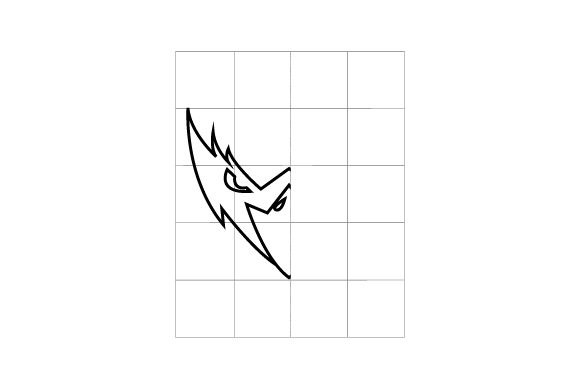
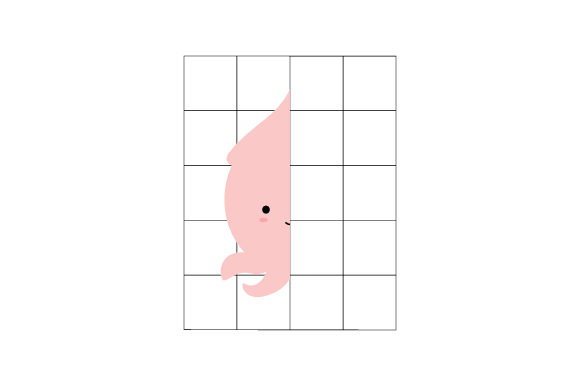
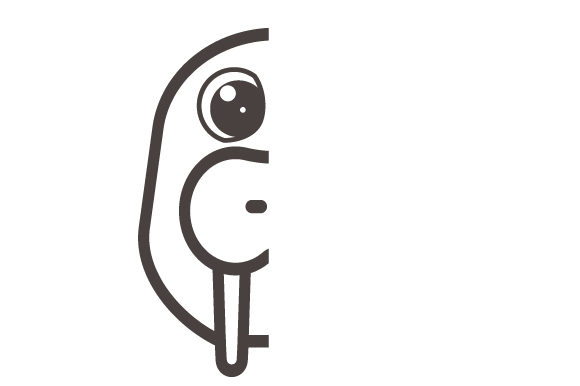
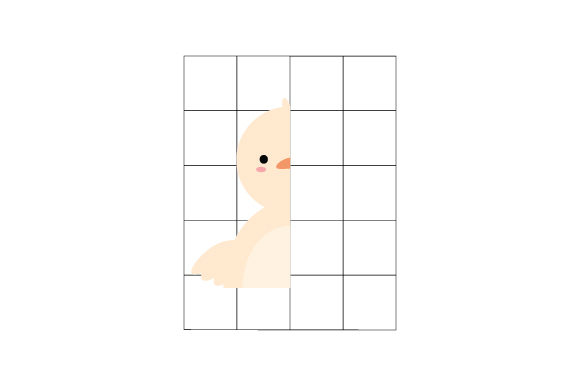
When I first opened the Goose Symmetry Drawing, my immediate thought was about its application. This is not just a cute illustration; it's a thoughtfully constructed outline with a calm, almost serene, visual personality. The symmetrical layout is its most compelling feature. For embroidery, symmetry translates into balanced, stable visuals on a finished product. The goose's form is clean, with a level of detail that suggests it’s meant to be interpreted by thread, not just replicated exactly. The theme feels versatile—it’s friendly, nature-inspired, and carries a subtle, wholesome mood that could fit a wide range of projects without feeling overly niche or childish.
Where This Design Naturally Belongs in Your Project Lineup
In my studio, I constantly match designs to real products. The Goose Symmetry Drawing feels like a natural fit for personalization and gift-focused items. Imagine it stitched onto a canvas tote bag for a farmer's market vendor or a gardening enthusiast. It would look charming as a small accent on a baby’s blanket or a set of nursery pillow covers, offering a gentle, animal-themed touch without being a cartoon. For a small shop selling kitchen goods, this design embroidered on a linen tea towel or an apron creates a handmade, boutique-quality feel. I also picture it working beautifully as a patch, perhaps for a jacket or a backpack, where its symmetrical, bold outline would hold up well to wear.
The Real-Life Scenario: A Custom Embroidered Sweatshirt
Let's walk through a specific case. I’m considering this design for a custom embroidered sweatshirt, a popular item for my clients. The Goose Symmetry Drawing, with its balanced shape, would sit nicely on the left chest area. The clean lines mean I wouldn’t have to worry about tiny, intricate details getting lost in the texture of the fleece fabric. I’d likely use a combination of running stitch for the outline and perhaps a satin stitch for a key area like the beak or wing accent to add a little texture and visual pop. The outcome would be a crisp, recognizable graphic that feels intentional and professional, not just a stamped image. This elevates the perceived value of the sweatshirt, boosting customer trust in the handmade presentation.
Performance in Practical Embroidery Situations
This design’s true test is on the machine and the fabric. On custom apparel like t-shirts and sweatshirts, the outline-based nature should translate well, provided you use a good stabilizer to handle any fabric stretch. For tote bags and aprons made from heavier canvas or cotton, the stitch lines will likely be very clear and durable. When thinking about patches, the solid outline is ideal—it creates a defined border for the patch edge. In digital product previews or printable mockups for Etsy listings, the transparent PNG format provided is invaluable; it allows you to showcase the design on various product backgrounds effortlessly, aiding buyer engagement.
For holiday gifts or wedding gifts—think a personalized kitchen towel set for a new home—this goose design adds a touch of personality without being overly sentimental. For baby clothes, like a romper or a hat, its scale is important; you'd need to size it appropriately to ensure it doesn’t overwhelm the small garment. In all these cases, the design supports brand consistency for a maker whose aesthetic leans towards nature, animals, or simple, clean illustration.
Careful Considerations: Where to Be Mindful
As a professional, I always note where a design requires extra attention. The Goose Symmetry Drawing, while clean, might have some detailed corners, like around the feet or wing tips. On very small hoop sizes, these areas need inspection to ensure the stitches don’t bunch up. On textured or nubby fabrics like some blankets, the clarity of the fine lines could soften, so a slightly heavier thread weight might be considered.
On dark fabric, the contrast is paramount; you'd need to choose thread colors that truly pop. For curved surfaces like caps, the symmetry of the design is a benefit, but placement is key to keep it looking centered from all angles. Because the design is likely composed of outlines, stitch density shouldn’t be overly dense, which is good for garments needing frequent washing—it reduces stiffness and stress on the fabric. However, always test this on scrap fabric first with your specific settings.
Affecting Visual Appeal and Professionalism
Using a design like this well affects more than just the stitch. It impacts the final product's visual appeal by providing a coherent, finished graphic. The stitching clarity directly relates to customer perception—a clean, well-executed goose looks professional and increases the product's giftability. For an Etsy seller or craft fair vendor, having such a versatile, well-defined embroidery file in your arsenal allows you to create recognizable merchandise that customers can quickly understand and connect with.
Practical Notes for the Embroidery Designer
Before you commit this design to a client project or your small shop merchandise, here’s my checklist. First, always test the embroidery file on a piece of scrap fabric from your actual project material. This lets you review stitch density, check thread color contrast, and confirm your chosen hoop size works for the details. Inspect those small details in the actual stitchout.
Since you receive formats like SVG and EPS, which are great for scaling and digital use, and DXF, ensure your machine software handles them correctly. Use proper stabilizer for the fabric type—don’t skip this step. Create black and white mockups, and compare how the design looks on both light and dark fabric backgrounds in your digital previews to plan your thread palette.
Crucially, check the licensing terms for this Goose Symmetry Drawing. The product category mentions Coloring Pages Kids and Crafts, but you must confirm whether the license permits use for commercial embroidery projects, selling finished products like embroidered patches or tote bags, or using it as a digital product asset itself. Never assume. Only after confirming that, can you confidently integrate it into your craft business or commercial embroidery work.
This design is a strong candidate for projects that call for a simple, friendly, and balanced graphic. Its strength lies in its adaptable symmetry. By treating it as a professional embroidery design and not just a drawing, you can turn it into a valuable asset for personalized gifts, custom apparel, and your handmade product line.